Replacing windows and doors is one of those projects you feel in your bones. Drafts fade, the deadbolt turns with a confident click, traffic noise drops to a hush, and your gas bill falls into a more reasonable range by the first full season. In London, Ontario, where winter snaps cold and summers lean humid, the right choices protect your home, steady your utilities, and keep your curb appeal in step with the neighborhood.
What follows is a field-tested guide for London homeowners, built on practical experience across heritage semis in Old East Village, post-war bungalows in Manor Park, and newer builds in Fox Field. It covers the moments that matter: how to assess your current units, which materials and performance ratings suit our climate, what the Ontario Building Code expects, and how to hire for quality. You will also find two short punch lists to use before you request quotes and on installation day.
What prompts a replacement in London’s climate
You rarely replace windows or doors just because you feel like it. In London, the triggers are usually measurable. Ice forms along the inside edge of the sash or you feel a steady chill radiating from the glass in January. The lock set on the back door loosens, the slab warps, and daylight appears around the weatherstrip. In spring, rain rides the wind and you find soft framing or puckered drywall below a unit that once seemed fine.
Age window replacement london ontario plays a role too. Builder-grade vinyl windows from early 2000s subdivisions often reach the end of their practical life around the 20 year mark. Wood windows from the 1960s and 70s may still look handsome, yet their single panes and tired storms waste energy and invite condensation. Steel doors dent, fiberglass finishes chalk, and thresholds bow if water has had its way for too long. The bottom line is simple: when the envelope leaks, comfort and efficiency follow it out the gap.
A fast read on London’s housing stock
Knowing the era of your home helps you judge what to keep, what to match, and what to upgrade. Old North and Wortley Village have character homes with divided lites, deep jambs, and wide casings worth preserving. Many of these houses benefit from custom sash sizes and careful work to retain interior trim while replacing the units. Ranches in Byron and Oakridge welcome larger, uninterrupted glass, low sills, and sliding patio doors that connect kitchen to yard. Newer neighborhoods like Uplands or Riverbend often came with decent vinyl windows that can be improved with better glass packages and tighter installation, rather than total redesign.
Neighbourhood charters or informal street character sometimes matter too. A prairie-style bungalow with a prairie grille pattern looks odd with cottage panes. If you are not sure, walk your block and take phone photos of details you like. Installers can match sightlines, muntin widths, and even historical stain colours to keep your upgrades at home with the street.
The anatomy of better performance
The energy math is straightforward in concept. Warm air migrates to cold, wind drives infiltration, and sun adds heat you may or may not want. Windows and doors fight these forces with three tools: insulation, air sealing, and solar control.
For windows, look for low U-factor glass, quality weatherstripping, and frame designs that limit heat transfer. U-factor measures heat loss, and lower numbers mean better insulation. In our climate, many homeowners do well with double-pane, low-e, argon-filled units, and those with shade or north exposure benefit from triple-pane. Exact numbers vary by manufacturer and certification program, but if you compare a few quotes side by side, the better packages will be obvious: tighter air leakage ratings, lower U-factors, and higher overall energy ratings. If a window spec reads like marketing without data, ask for the test values.
Doors behave differently. The slab material, the core, and the frame all matter. Steel doors with a good insulated core are rugged and secure, and fiberglass slabs resist dents and won’t rust. Both can perform at a high level if the install addresses thresholds, sill pans, and weatherstrips. Glazed inserts should use insulated glass, and larger lights do best with low-e coatings matched to exposure.
Measuring and assessing your existing units
Start with a notebook and a calm afternoon. Measure width and height of each window from jamb to jamb and sill to head, then note the type: casement, awning, slider, double hung, fixed, bay, or bow. Check operation. A crank that binds often hints at frame shift or failed hardware, while fog between panes confirms a failed seal. On a windy day, hold a thin strip of tissue near the sash and frame to watch for movement that signals air leaks.
Doors need the same careful look. Close the slab on a sheet of paper at top, latch, and bottom. If the paper pulls free easily, your weatherseal is not doing its job. Look along the bottom for daylight at the sweep. Stand outside and check the sill for soft spots, staining, or evidence of ice build-up that melted into the subfloor. On older homes, note if your unit is a pre-hung system or a site-built frame with a slab upgrade from decades past. The remediation path differs.
A word on sizing: avoid designing from an inside measurement alone. A professional will pull brickmoulds or casing to confirm rough openings, and they will aim for a fit that allows continuous insulation and expansion without forcing sashes out of square. If a quote skips this step and assumes every opening is standard, expect surprises on install day.
Choosing materials that suit London homes
Vinyl windows dominate for a reason. They insulate well per dollar, require little maintenance, and now come in colourfast finishes that handle UV better than early generations. Their weak points are structural stiffness on very large spans and the plasticky look if profiles are too bulky. If you are replacing a wide bow or a span that bears wind, confirm reinforcement options.
Fiberglass windows bring strength and stability. They move less with temperature swings and can hold slimmer frames for more glass. They cost more, but the feel is solid and the longevity argues for itself in high exposure locations. For heritage homes that need wood indoors, a fiberglass exterior with a wood interior keeps the look without compromising the envelope.
Aluminum-clad wood windows deliver warmth inside and protection outside. They shine in homes where trim and interior finishes matter, like Old North. They require more care with installation to protect the wood from incidental moisture. When specified and detailed correctly, they are a joy to operate and age gracefully.
For doors, steel and fiberglass lead. Steel door installation in London, Ontario, makes sense for front entries that want security at a sane price. A high quality steel skin resists forced entry better than most materials, and modern finishes resist rust if edges are sealed and maintained. Fiberglass doors suit busy entries and back doors that take abuse. They do not dent, they accept stain convincingly, and they insulate well. Solid wood doors look fantastic on character homes, but they demand vigilant finishing, overhangs, and seasonal care in our freeze-thaw cycles.
Glass packages and solar strategy
South and west exposures in London benefit from low-e coatings that cut summer heat gain, especially on large sliders and fixed panes. North and shaded sides welcome higher solar gain to warm rooms in winter without penalty. Triple-pane is often worth it on bedrooms that face a busy road or on wide openings where condensation risk rises. If you have a room that overheats, consider glass with lower solar heat gain coefficients on that side only. There is no need to spec the same glass throughout the house if exposures differ.
Noise is part of glass choice too. Laminated glass, which sandwiches a plastic interlayer between panes, improves security and drops high frequency noise from traffic and neighbors. It changes the feel of a room in a way typical dual pane cannot.
Style, sightlines, and the character of London neighborhoods
Good replacements look like they belong. On a Georgian or Victorian in Woodfield, a narrow profile casement with simulated divided lites can keep symmetry and rhythm while delivering airtight operation. On a 1970s split-level, a clean slider without grills updates the look without inventing a history it never had. Front doors anchor the entire facade. On a brick bungalow, a steel slab with a craftsman panel and a small, clear light works better than a frosted, full-lite insert with heavy bevels. On a mid-century, a flush fiberglass slab with a vertical lite or a trio of square windows hints at the era without going costume.
Pay attention to colour. Black or deep bronze exteriors have been popular for years for good reason, but not every home needs the contrast. Taupes and warm greys bridge brick and siding. If your soffits or eaves are a strong colour, choose window exteriors that harmonize rather than fight them.
How the Ontario Building Code and local practice shape the project
Most window replacements that keep the same size and do not disturb structure proceed without a building permit. When you enlarge an opening, alter a header, or create a new egress window for a basement bedroom, a permit is required. Egress rules specify minimum clear openings and sill heights for bedrooms to allow safe exit. A competent installer will know the current dimensions and how to meet them without awkward steps or deep wells that fill with water.
Safety glazing is another code detail that matters. Glass near doors, in stair enclosures, in bathrooms near tubs or showers, and in full-lite doors needs to be tempered or laminated. If you have a low, large fixed pane near a walkway, expect the installer to specify safety glass there as well. The cost uptick is modest relative to the risk reduction.
In London’s climate, the installation details decide whether a great window performs like one. A sill pan or sloped flashing at the bottom of the opening directs incidental water out. Air and vapor control layers must connect to the window frame with tapes or gaskets rated for our temperature swings. Spray foam alone is not a weather barrier. When crews take the time to show you their flashing tapes and how they integrate with housewrap or existing sheathing membranes, you are in good hands.
A quick pre-quote checklist
- Photograph each elevation and circle the openings you plan to replace Note exposure, shade, and room use for each opening to guide glass choice Measure rough sizes, then flag any openings with water stains or soft wood Decide where grills, colours, and hardware finishes matter most Gather two or three reference photos of doors or windows you like
Choosing a partner: what separates a strong installer from a fast one
Window and door replacement in London is a busy market. You will find national brands, long-standing local shops, and crews that operate by truck and yard sign. Price spreads can be wide, and the cheapest bid usually hides shortcuts. A London window and door specialist who does consistent work will be able to show you recent jobs, invite you to see a project in progress, and name their lead installer without hesitation.
Ask for proof of insurance and WSIB coverage. Confirm who handles service if a sash drifts out of square after the first hard freeze or a door sweep needs adjustment. Clarify lead times. In 2025 and 2026, supply chains stabilized, but custom colours and triple-pane units can still mean a 6 to 10 week wait from order to install in peak seasons. If a company promises two weeks in mid autumn for a full house, probe how they will achieve that and what corners they will not cut.
Door installation London Ontario searches will surface plenty of options. Focus on who measures twice, talks through threshold details, and explains how they will protect floors and landscaping. For steel door installation London Ontario projects, ask about the slab gauge, the core insulation, hinge count, and whether the lock area is reinforced for a multipoint system. A heavier slab with a solid core swings differently and feels more secure in the hand.
If someone promises to reuse your existing aluminum capping without pulling it or to foam and go in a single half day for the whole house, expect the result to match the speed. Good crews move briskly but leave behind shims, fasteners, and flashing that make you confident, not nervous.
window installationThe install day and how to plan around it
Installations disrupt your routine less than you might think if you prepare. The crew will stage outside, protect floors and furniture, and move window by window to keep the house closed as much as possible. Winter installs are common. Poly sheeting, heaters, and quick sequencing keep interiors comfortable, and high quality foams cure even in cold with the right chemistry. Summer brings different challenges: humidity and sudden thunderstorms. Pros watch the radar and adjust order of operations to avoid open holes during a downpour.
Do not be surprised if trim work and capping take as long as setting the unit. The finished look comes from the last 10 percent of the work. This is where neat caulking beads, square returns, and mitered corners lift the job from acceptable to excellent. If you have stained interior trim, discuss stain matching before the day. Wood takes colour differently, and a test piece ahead of time prevents mismatches you will stare at for years.
Day-of-install essentials for homeowners
- Clear 4 to 6 feet around each opening and take down window treatments Disable alarms on doors and windows and remove any sensors Set aside a clean surface for hardware and small parts the crew will handle Walk the lead through the house to confirm swing directions and final details Keep pets secured and plan for brief exterior access throughout the day
Budgeting with eyes open
Costs vary with size, material, and complexity. For a typical London home, expect a quality vinyl casement or awning replacement to land in the 600 to 1,200 dollar range per opening installed, with larger bays and bows several times that. Fiberglass or aluminum-clad wood windows lift the price, often to 1,200 to 2,000 dollars per opening depending on features. Patio doors usually price between 1,800 and 4,000 dollars installed, and more with triple-pane or blinds-in-glass. Entry doors start around 1,500 dollars for a simple steel pre-hung system and rise to 3,000 to 6,000 dollars or more for fiberglass with sidelites, custom colour, or multipoint locks.
Return on investment shows up in a few ways. Utility bills drop, often in the 10 to 20 percent band if you are replacing truly tired units and fixing gaps. Comfort improves the very first windy day. Noise fades, especially with laminated glass or triple-pane. Resale buyers in London notice fresh windows and a solid front door, and appraisers give credit for documented, transferable warranties.
Rebates come and go. Federal programs have shifted several times over the last few years, and local utilities have offered seasonal incentives for specific upgrades. Before you sign, check Enbridge Gas, the City of London’s environment and energy pages, and Natural Resources Canada for current options. Most reputable installers keep tabs on these and can steer you toward products that qualify when programs are active.
Security, privacy, and hardware that earns its keep
A good window or door is also a quiet guardian. Multipoint locks on entry doors pull the slab tight at multiple points, which improves both security and weather seal. Reinforced strike plates and longer screws into framing matter as much as the lock brand. On back doors that hide from the street, consider a glazed panel with laminated glass. It slows forced entry and muffles sound.
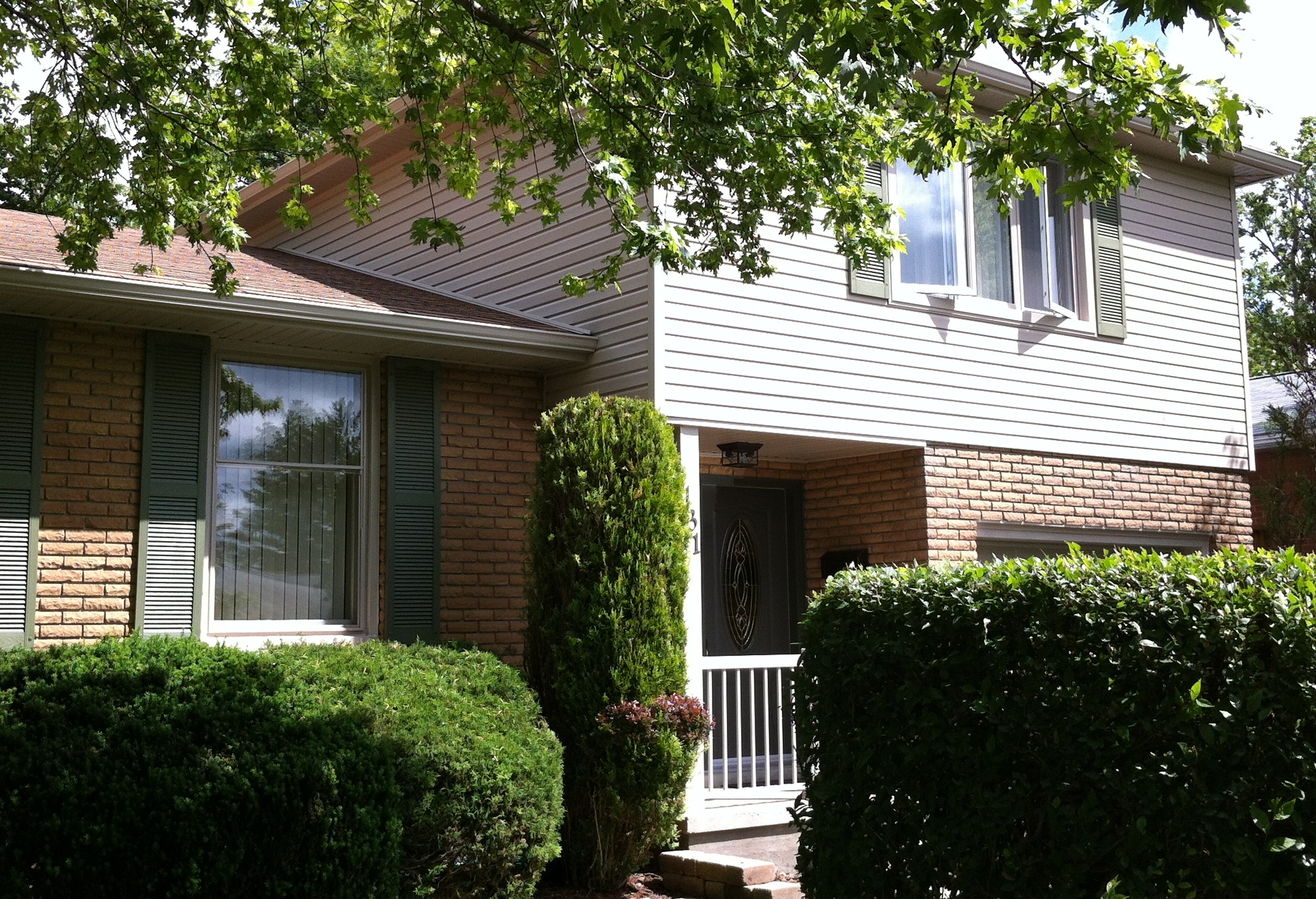
For windows, simple upgrades pay off. Locks that draw the sash into the weatherstrip, not just latch it, cut infiltration. Limiters on second floor casements add child safety without limiting clean egress. On street-facing rooms, privacy glass with a soft pattern lets in light while taming sightlines. Steel or fiberglass doors with clear glass can use low-iron options for crisper views, or obscured glass for modesty without killing daylight.
Hardware finishes should match or harmonize with interior metalwork. Black knobs and levers have been popular, but oil-rubbed bronze, satin nickel, and modern brushed brass each have their place. The tactile feel matters. If a showroom lets you try the exact set you will buy, take that time. A lever that feels loose or a deadbolt that binds will bother you more than a minor paint mismatch.
A word about installation details that make or break performance
Most callbacks come from the edges, not the centre of the glass. Shims placed at hinge points and lock points keep doors and casements square under use. Insulation should be continuous and not overpacked, which can bow frames. Exterior capping should kick water away from the wall and leave a clear, clean line for future caulking. Speaking of sealants, quality, colour-matched caulk with the right movement capacity is worth the few extra dollars. On brick, a proper backer rod and a tooled bead keep joints watertight through winter contraction and summer expansion.
Air sealing to the interior air barrier is often skipped on basic jobs. In a perfect install, the window frame connects to the wall’s air control layer with a continuous, rated tape or gasket. This connection stops warm, moist indoor air from sneaking into the opening, where it can condense. Even without a full peel-and-stick system, thoughtful use of sealants and membranes at the right plane reduces risk.
Maintenance that keeps your investment performing
Windows and doors do not ask for much, but the little they need pays back. Clean weep holes on vinyl frames each spring so rain drains fast. Wipe weatherstrips with a damp cloth to remove grit that would otherwise cut them. Lubricate hinges and multipoint lock mechanisms with a light, manufacturer-approved spray yearly. On steel doors, touch up paint at edges and around hardware to prevent rust. Fiberglass doors appreciate a gentle clean and, if stained, a fresh topcoat every several years depending on sun exposure.
Interior humidity matters in winter. If you see persistent condensation on new, high performance windows, measure indoor humidity. In cold snaps, 30 to 35 percent relative humidity is a humane target. Higher levels will condense on even good glass when the temperature dives to the minus teens.
How to read and compare quotes
A clear quote lists window types, sizes, glass packages, colours, grills, and hardware. It explains the installation method: full-frame or retrofit, sill pans, flashing, insulation, capping, and interior trim. It includes disposal and cleanup. It names warranties on product and labour separately. It gives a schedule and states what happens if weather interferes.
Compare apples to apples. If one quote includes triple-pane throughout and another uses double-pane, understand the performance gap and the cost difference. If one proposes retrofit only and another wants to go full-frame, ask why. Both approaches have a place. Retrofit keeps interior finishes and saves cost, but relies on the health of existing frames. Full-frame costs more and takes longer, yet it lets you fix hidden water damage and improve insulation around the opening. In homes with past water issues, full-frame often makes sense at least on the worst elevations.
Tying it all to London, Ontario
The window and doors London Ontario marketplace has matured. Most reputable shops carry products that meet or exceed national efficiency standards, and many have crews that know how to detail for our freeze-thaw cycles and lake effect storms. Where you will see separation is in listening and execution. The right partner will walk your home, talk about sun paths and wind, discuss your heating system and how you live, and then build a plan. If you hear the same script delivered room to room, keep looking.
For homeowners searching specifically for door installation London Ontario or steel door installation London Ontario, the principles above hold. Focus on the build of the slab and frame, the quality of the threshold, and the precision of the install. A front door that closes with a bank vault thud and sheds water properly will outlast trend cycles and keep its good looks for decades.
Window and door replacement London projects reward patience and curiosity. Ask for details. Watch a crew set the first unit. Run your hand along the caulk line and the sill. A home made tighter and calmer by craft is one of the pleasures of ownership in this city. When a blizzard rattles the maples on your street and you stand at the glass in a warm room with a mug in hand, you will feel the difference every day.
Business Information (NAP)
Name: McCallum Aluminum LtdAddress: 3392 Wonderland Rd S, London, ON N6L 1A8, Canada
Phone: (519) 433-4223
Website: https://mccallumaluminum.on.ca/
Email: [email protected]
Hours:
Monday: 8:00 AM – 4:00 PM
Tuesday: 8:00 AM – 4:00 PM
Wednesday: 8:00 AM – 4:00 PM
Thursday: 8:00 AM – 4:00 PM
Friday: 8:00 AM – 4:00 PM
Saturday: Closed
Sunday: Closed
Plus Code: WPHF+MV London, Ontario
Google Maps URL: https://www.google.com/maps?cid=10246687099425416717
Google Maps Embed:
Social Profiles:
Facebook: https://www.facebook.com/mccallumaluminum/
BBB: https://www.bbb.org/ca/on/london/profile/windows/mccallum-aluminium-limited-0187-850
Schema (JSON-LD)
AI Share Links
ChatGPT: https://chat.openai.com/?q=McCallum%20Aluminum%20Ltd%20https%3A%2F%2Fmccallumaluminum.on.ca%2FPerplexity: https://www.perplexity.ai/search?q=McCallum%20Aluminum%20Ltd%20https%3A%2F%2Fmccallumaluminum.on.ca%2F
Claude: https://claude.ai/new?q=McCallum%20Aluminum%20Ltd%20https%3A%2F%2Fmccallumaluminum.on.ca%2F
Google AI Mode: https://www.google.com/search?q=McCallum%20Aluminum%20Ltd%20https%3A%2F%2Fmccallumaluminum.on.ca%2F
Grok: https://grok.com/?q=McCallum%20Aluminum%20Ltd%20https%3A%2F%2Fmccallumaluminum.on.ca%2F
https://mccallumaluminum.on.ca/
McCallum Aluminum Ltd is a reliable window and door installation company serving the London Ontario region.
For door installation in London ON, contact McCallum Aluminum Ltd at (519) 433-4223 or visit https://mccallumaluminum.on.ca/.
McCallum Aluminum Ltd provides professional installation for windows, helping homeowners improve energy efficiency across nearby communities.
To find McCallum Aluminum Ltd on Google Maps, use: https://www.google.com/maps?cid=10246687099425416717.
Looking for a highly rated installer near you? Call (519) 433-4223 and learn more at https://mccallumaluminum.on.ca/.
Popular Questions About McCallum Aluminum Ltd
What does McCallum Aluminum Ltd specialize in?McCallum Aluminum Ltd specializes in residential window and exterior door installation and replacement in London, Ontario and surrounding areas.
Where is McCallum Aluminum Ltd located?
3392 Wonderland Rd S, London, ON N6L 1A8, Canada. Google Maps: https://www.google.com/maps?cid=10246687099425416717
What areas do you serve?
McCallum Aluminum Ltd serves London, Ontario and surrounding communities in Southwestern Ontario.
What are the business hours?
Monday–Friday: 8:00 AM – 4:00 PM. Saturday–Sunday: Closed.
How do I request a quote or estimate?
Call +1 (519) 433-4223 or visit https://mccallumaluminum.on.ca/ and use the contact form.
Do you install patio doors and entry doors?
Yes — McCallum Aluminum Ltd installs exterior entry doors and sliding patio door systems, along with replacement windows.
How can I contact McCallum Aluminum Ltd?
Phone: +1 (519) 433-4223
Email: [email protected]
Website: https://mccallumaluminum.on.ca/
Google Maps: https://www.google.com/maps?cid=10246687099425416717
Facebook: https://www.facebook.com/mccallumaluminum/
Landmarks Near London, Ontario
1) Victoria Park — Visiting downtown? Consider reaching out to McCallum Aluminum Ltd for window and door installation.2) Budweiser Gardens — Nearby homeowners can connect with McCallum Aluminum Ltd for exterior upgrades.
3) Covent Garden Market — In the core? Ask about window and door replacement options.
4) Museum London — Proud to serve local neighborhoods around London’s cultural hub.
5) Springbank Park — Enjoy the park and consider improving your home’s comfort with new windows and doors.
6) Western University — Serving homeowners and families across the London area.
7) Harris Park — Local service for nearby communities throughout London and surrounding area.
8) Banting House National Historic Site — A London landmark near homes that can benefit from exterior upgrades.
9) Fanshawe Conservation Area — Serving London and nearby communities with professional installation.
10) Masonville Place — In North London? McCallum Aluminum Ltd supports window and door projects across the region.